What Makes Minutes Legal?
What minutes are, why they matter, and how to get them right.

Marci Cornell-Feist · Founder, Minutes Mojo · February 27, 2026 · 3 min read
Minutes 101
Minutes are the official, permanent record of the decisions your board made and the actions they authorized, serving as the final word on what actually happened during a meeting. By focusing on what was decided rather than what was said, minutes strip away the extraneous detail (and the liability) of a verbatim transcript.
At a glance: what minutes are and aren’t
What minutes ARE
- ✓ A legal record of decisions made in a neutral, factual tone.
- ✓ A list of motions, who made them, and the final vote count.
- ✓ Evidence of due diligence and reports reviewed.
What minutes are NOT
- ✗ Verbatim transcripts or notes
- ✗ Meeting recordings
- ✗ AI meeting notes or summaries
- ✗ A summary of major talking points
- ✗ A recounting of an intense debate
- ✗ An attribution of every comment to a speaker
- ✗ A to-do list or an attendee list
When do minutes matter?
Not every meeting needs minutes. Here’s a quick overview of when minutes matter:
Required
- Full board meetings (regular and special), annual meetings, and executive sessions.
- For HOAs and condo associations: any gathering where a “quorum” of the board is present to discuss association business.
- For municipal boards and public entities: all meetings mandated by state open meeting laws.
For public and HOA boards, the definition of a “meeting” is broad. If a quorum is talking shop, you may be legally required to produce a record to stay compliant with state transparency laws.
Expected
- Finance, audit, and governance committees.
- Any committee with the power to spend money or change rules (delegated authority).
The “paper trail” is usually a legal necessity, not a suggestion.
Optional
- Task forces, advisory/research committees, work sessions, social gatherings, and town halls.
- Any gathering where no formal votes are taken and no “board power” is exercised.
These are for your internal alignment — not the official archive.
Do legal minutes really matter?
When done right, minutes act as permanent proof that your board is doing its job.
Safety net
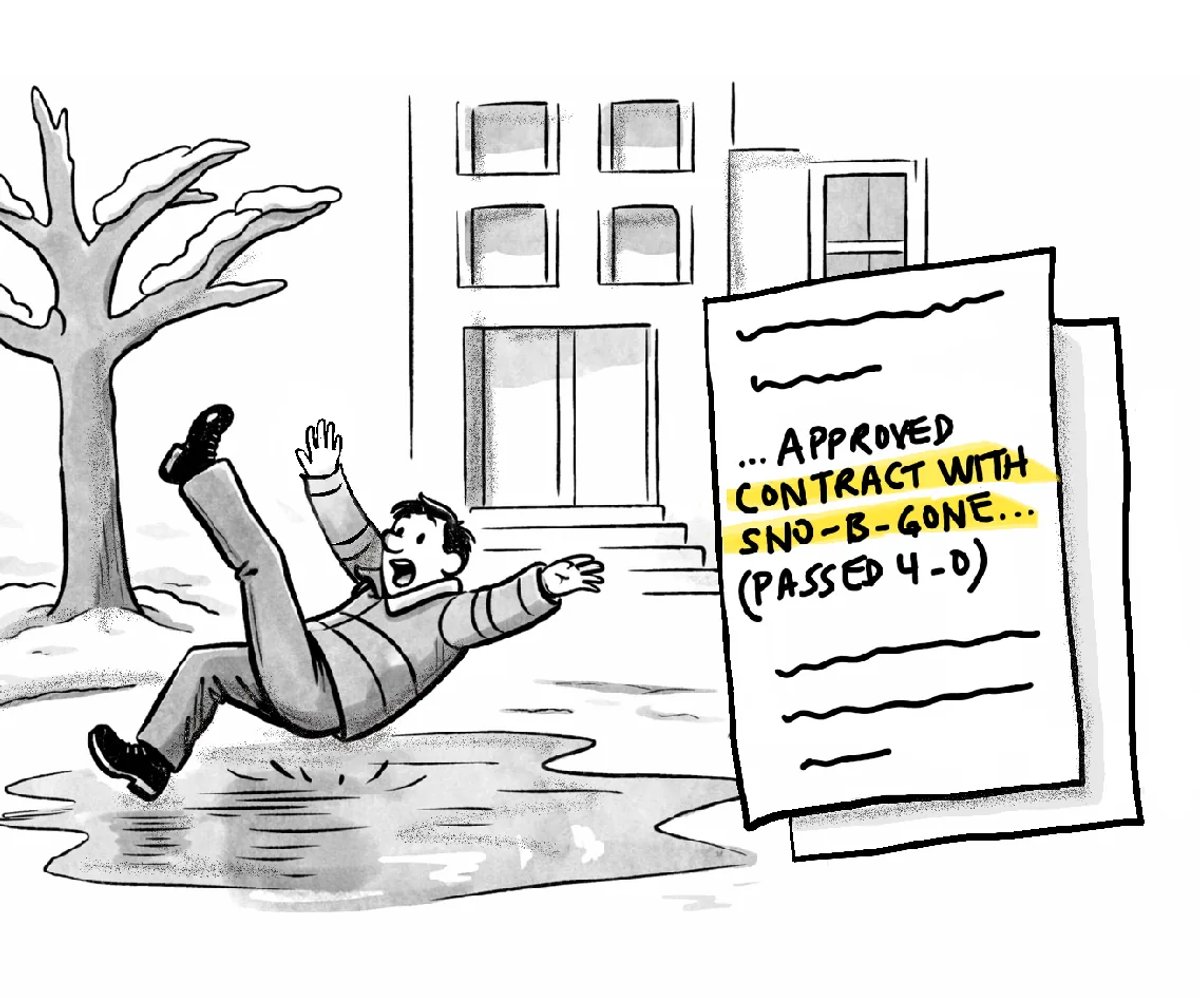
This is your board’s legal insurance, providing the receipts that prove you exercised due diligence before a crisis hits. When auditors or regulators come knocking, your minutes show you were already watching the budget and mitigating risks.
Best face forward
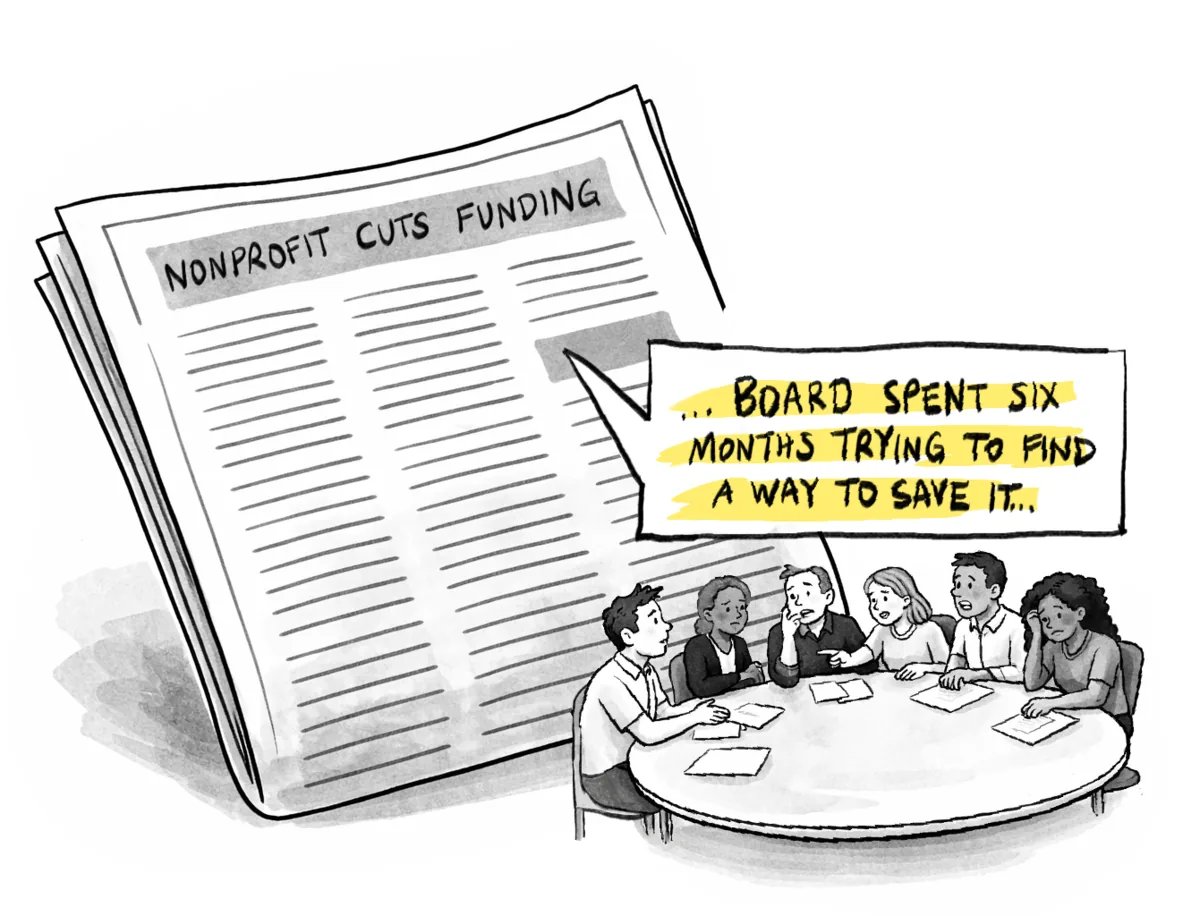
Minutes translate complex, often difficult debates into a record of thoughtful leadership and integrity. They show the world—and the courts—that your decisions weren’t random, but were made by diligent people grappling with the best path forward.
Good housekeeping
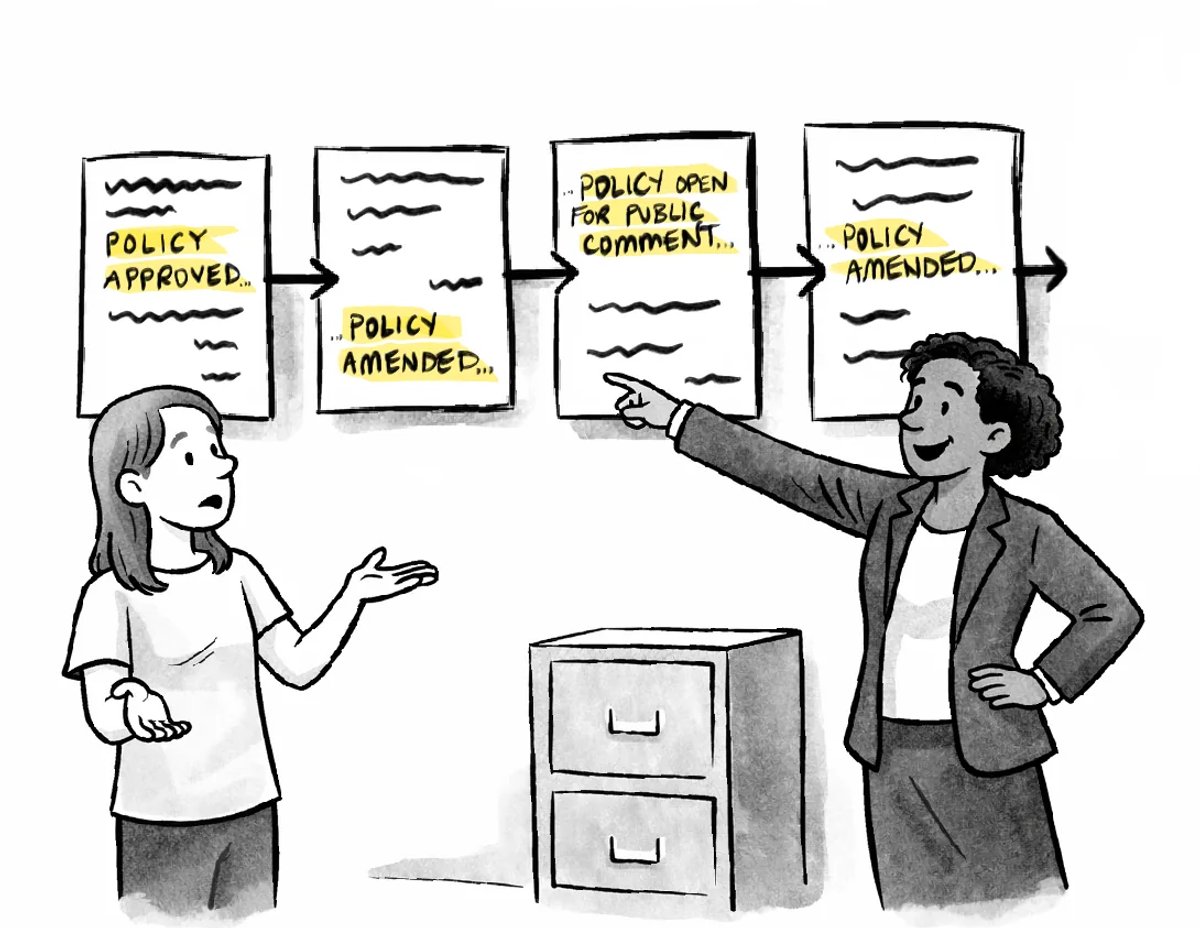
Good records are your institutional memory, and a strong memory enables forward momentum. When someone new comes onboard, there’s no need to reinvent the wheel (and no need to feel exposed by less-than-ideal housekeeping).
I’ve been asked to take minutes… where do I start?
Most people start with a record of the meeting itself — either handwritten notes or a recording (note: if you record board or committee meetings, it’s worth making sure you’re staying compliant). From there, minutes are formatted to capture key moments (quorums, motions, approvals, etc.). Check out our free minutes template below!
Frequently asked questions
- What are board meeting minutes?
- Board meeting minutes are the official, permanent record of the decisions a board made and the actions it authorized. They capture what was decided — the motions, who made them, and the vote counts — in a neutral, factual tone, rather than a word-for-word account of everything that was said.
- What's the difference between board minutes and a transcript?
- A transcript is a verbatim record of everything said, including half-formed thoughts and debate. Minutes are the official record of what was decided — motions, votes, and due diligence — with the extraneous detail (and legal liability) stripped out. Minutes are the binding legal record; a transcript is not.
- Which meetings legally require minutes?
- Full board meetings (regular and special), annual meetings, and executive sessions require minutes, as do committees with delegated authority to spend money or change rules. For HOAs and public boards, any gathering where a quorum discusses association business generally requires a written record under state transparency laws.
Free downloads
- Download (PDF · 352 KB)
Better board meeting minutes template (PDF)
A clear structure to follow when you write your minutes.
Keep reading
Board Minutes Seem Like a Humble Problem — Until They Become Legal Evidence
June 12, 2026
ArticlesHelp! I've Been Asked to Take Board Minutes. Now What?
June 10, 2026
GuidesTech Guardrails for Boards
February 27, 2026
ArticlesWhat the New Legislation Means for Washington HOAs
April 8, 2026
ArticlesMost Board Members Never Read This Part of Form 990
July 23, 2026